Arlington, TX
Foundation Inspection in Arlington, TX
Arlington sits on clay-heavy Blackland and Fort Worth Prairie soils that swell and shrink with the season, and that movement shows up most often as a returning drywall crack or a door that no longer latches cleanly. Most of the city's housing stock is slab-on-grade, built from the 1960s through the 1990s, so an inspection here is largely about reading how a particular slab has moved over time.
What to expect from a request
- Free to submit
- No obligation
- Independent of foundation repair companies
- Routed by ZIP code
Find A Structural Engineer is a referral platform. The engineering work is performed and priced by the professional who contacts you.
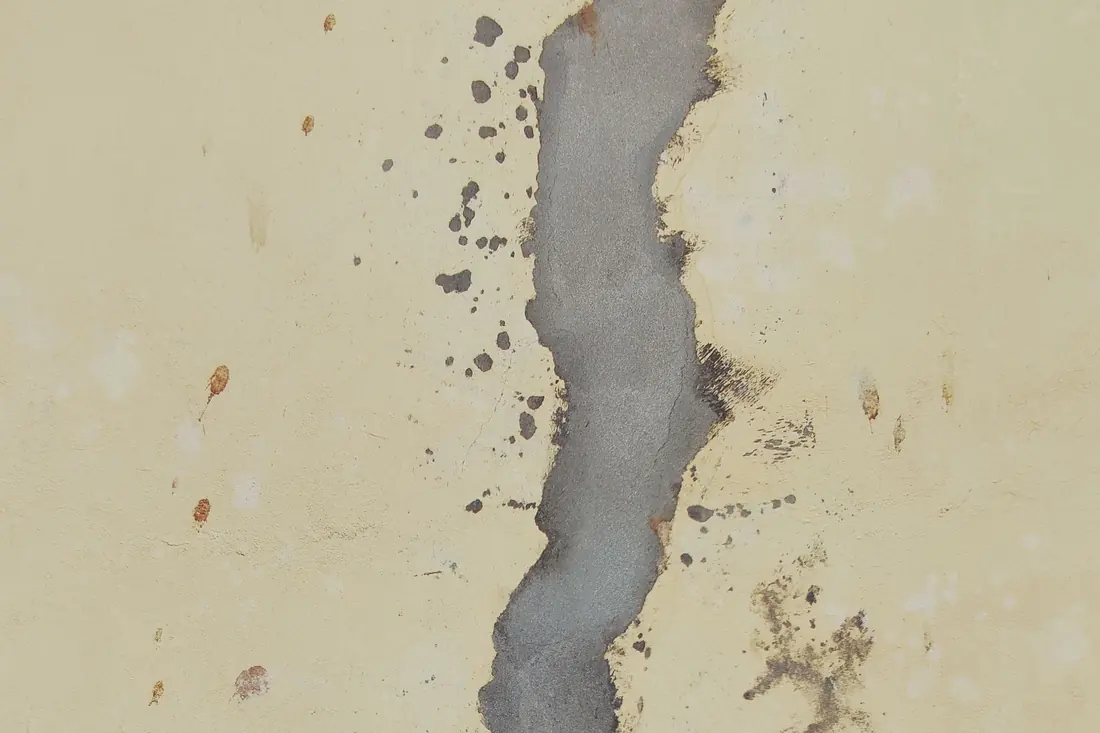
Common Foundation Problems in Arlington
Cracking in 1960s-1980s ranch homes
Original ranch-style slabs near Lake Arlington and along Cooper Street were built decades before current soil-treatment practices, and many now show hairline to moderate cracking at door and window corners.
Brick veneer stair-stepping
Stair-step cracks in brick veneer near a corner or above a garage opening are a common early sign that one section of the slab has moved relative to the rest.
Irrigation and turf-driven moisture swings
Sprinkler systems that run heavily on one side of the house while the other side stays dry can push a slab to move unevenly, especially in yards with mature turf.
Tree root proximity to older slabs
Large shade trees planted close to the foundation on older Arlington lots can draw moisture unevenly from the soil beneath the slab during dry summer months.
Undocumented pier work at resale
Homes that have changed hands more than once sometimes have pier markers or foundation certificates from a prior repair with no clear record of what was actually done or whether it held.
Garage slab separation from the main foundation
Where a garage slab was poured separately from the main house slab, differential movement between the two can open a visible gap or crack at the shared wall.
When to Consider a Foundation Inspection
- A crack you've patched before has come back in the same spot.
- You're buying an older Arlington home and want floor elevations checked before closing.
- Doors near the center of the house have started sticking over the past year.
- You see a foundation repair certificate with the home's listing and want it independently reviewed.
- A sprinkler zone has been running heavily on one side of the house for an extended period.
- You're planning an addition and need the existing slab's condition documented first.
What the Engineer May Evaluate
- Relative floor elevation readings across the slab
- Crack width, direction and location, inside and out
- Distance and root activity of large trees near the foundation
- Irrigation zones and their proximity to the slab edge
- Garage-to-house slab joint condition
- Grading and drainage away from the foundation
- Evidence and apparent outcome of any prior pier work
Foundation Types and Soil Behavior in Arlington
Arlington sits in the Mid-Cities corridor where the region's clay content is high enough that seasonal shrink-swell movement is a routine part of owning a slab home, not an unusual event. Most of the city's housing was built from the 1960s through the 1990s directly on grade, so the slab has typically had decades to interact with this soil behavior.
Because the clay reacts strongly to moisture, irrigation habits and tree placement matter more here than they do in less reactive soils — a lawn watered unevenly or a mature oak planted close to the slab can be enough to produce visible movement on one side of a house while the other side stays stable.
Established neighborhoods near Lake Arlington and along the older Cooper Street corridor have had more time to accumulate prior repairs, so an inspection in these areas often includes reviewing whatever pier or repair documentation the current owner has on hand.
Engineer vs Repair or Remodeling Company
A structural engineering professional assesses the structure and specifies what is required. A repair or remodeling contractor performs the work. When the same company both diagnoses the problem and sells the solution, those two roles overlap.
An independent assessment gives you a basis for comparing proposals. See structural engineer vs foundation repair company.
What Happens During the Visit
- 1
Walkthrough and documentation
The engineer walks the interior and exterior, photographing crack locations and noting where doors or windows are out of alignment.
- 2
Elevation measurements
A floor-level survey records relative elevations across the slab to show where and how much movement has occurred.
- 3
Site and drainage review
Grading, irrigation zones and tree proximity are checked, since moisture distribution around the slab is usually central to the story in Arlington's clay soils.
- 4
Findings and report
You receive an explanation of what was observed and, if requested, a written report you can share with a contractor, buyer or lender.
Areas Near Arlington
Requests from communities around Arlington are routed to professionals who cover those areas.
- Grand Prairie
- Mansfield
- Kennedale
- Pantego
- Bedford
- Euless
- Hurst
- Fort Worth
- Dallas
Related Arlington Structural Services
- Structural Inspection in ArlingtonFraming, walls, roof structure and visible movement or deformation.
- Load-Bearing Wall Engineer in ArlingtonWall removal, wider openings, beam and header sizing for remodels.
- Pre-Purchase Structural Inspection in ArlingtonIndependent structural review before you close on a house.
More about this service
All Arlington services
Arlington Foundation Inspection FAQ
Is some foundation cracking normal for an older Arlington home?
Minor hairline cracking is common given the local clay soils, but a widening or diagonal crack paired with sticking doors is worth having looked at rather than assumed to be cosmetic.
The listing includes a foundation repair certificate — should I still get an inspection?
Yes. An independent floor-level survey can show whether elevations have held steady since that repair or whether movement is continuing.
Can watering habits really affect my foundation?
Yes, uneven irrigation is one of the more common contributors to differential slab movement in Arlington's clay soils, since one side of the house can stay much wetter than the other.
Should I worry about the tree next to my house?
A large tree close to the slab can pull moisture unevenly from the soil beneath the foundation, particularly in dry months, and it's worth noting in your inspection request.
How is the garage slab connection checked?
The engineer looks at the joint where the garage slab meets the main house slab, since these are sometimes poured separately and can move at different rates.
Nearby Cities
The same service in other Texas locations we cover.
Request a Foundation Inspection Quote in Arlington
Describe the property and the concern. Your request goes to structural engineering professionals working in the Arlington area.