Foundation Inspection by a Structural Engineer
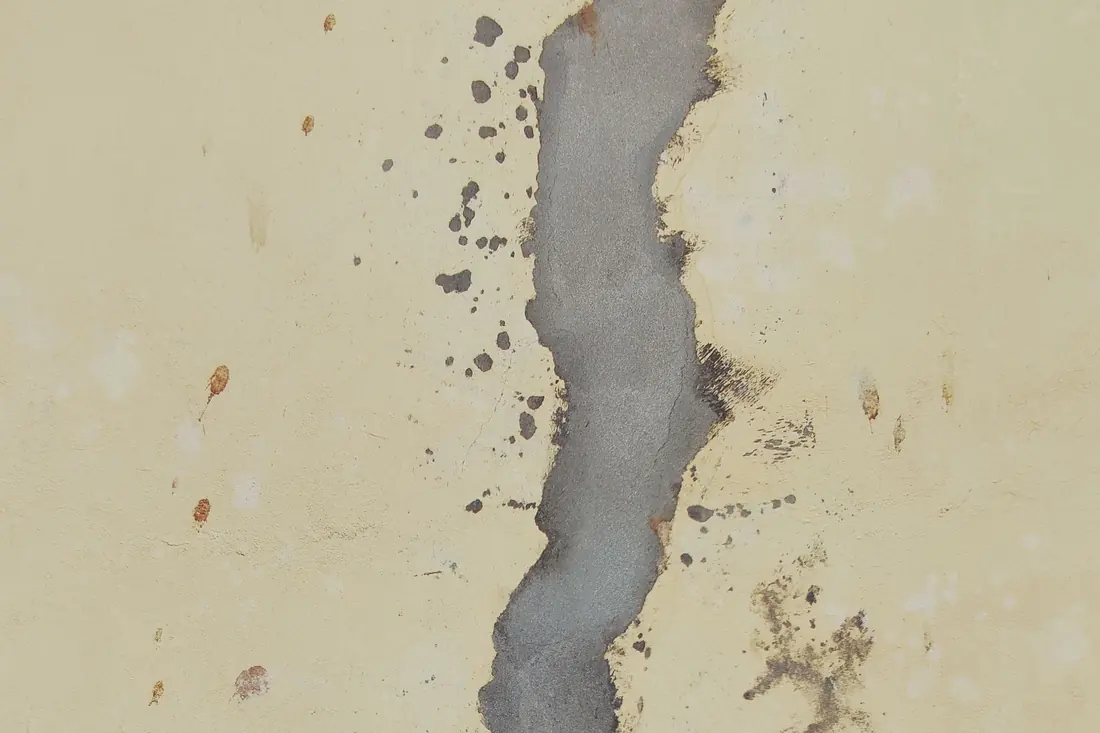
Cracks in a wall, a door that will not latch, a floor that slopes toward one corner. A foundation inspection by a structural engineering professional tells you what is actually happening — before anyone quotes you a repair.
- 1
Describe what you see
Cracks, sticking doors, sloping floors, gaps at trim.
- 2
Add your ZIP code
We route the request to professionals covering your area.
- 3
Compare responses
Discuss scope, deliverables and price directly.
Signs owners usually call about
None of these confirm a structural problem on their own. Together they are the pattern a professional reads.
Cracks that changed
Diagonal cracks from door and window corners, stair-step cracks in brick, or a crack that is visibly wider than it was last year.
Doors and windows
Doors that stick or swing on their own, windows that bind, gaps opening between trim and wall.
Floors
Slopes you can feel walking across a room, bouncy areas, tile or grout cracking in a line.
Outside the house
Separation at brick veneer, gaps at the driveway or patio, water standing against the foundation after rain.
What a foundation evaluation typically covers
- Interior and exterior walkthrough with documentation of visible distress
- Floor elevation or relative level readings across the slab or framed floor
- Review of crack patterns, width, direction and any displacement
- Doors, windows and interior finishes as indicators of movement
- Drainage, grading, gutters and moisture conditions around the perimeter
- For pier-and-beam: accessible crawlspace framing, piers, beams and joists
- A written summary of findings, likely causes and recommended next steps
Scope differs between professionals. Some deliver a short letter, others a full report with elevation diagrams and repair recommendations suitable for bidding. If you need a report for a lender, a buyer or a permit, say so up front — it changes both the deliverable and the fee.
Slab-on-grade vs pier-and-beam
Slab-on-grade
Common across Texas and Florida. Movement usually shows up as elevation differences across the slab, cracking at openings and separation at exterior veneer. Soil moisture and drainage are central to the discussion.
Pier-and-beam
Common in older neighborhoods. Problems more often involve settled piers, deteriorated or undersized beams and joists, and moisture or ventilation in the crawlspace.
Frequently Asked Questions
What is the difference between a foundation inspection by an engineer and a free estimate from a repair company?
A repair company inspects in order to quote repairs it sells. A structural engineering professional evaluates the foundation and reports what is happening and whether work is warranted, without selling the repair.
What does a foundation evaluation usually involve?
Typically a walkthrough inside and outside, elevation or floor-level readings, a look at crack patterns, doors and windows, drainage and grading, and a written summary of findings and recommendations.
Are all foundation cracks a structural problem?
No. Some are shrinkage or cosmetic. Width, direction, displacement, whether the crack is growing and what else is happening in the house all matter, which is why an on-site assessment is the reliable answer.
Do I need an inspection before hiring a repair contractor?
Many owners choose to, so the scope of any repair is based on an independent assessment rather than the estimate of the company performing the work.
How long does it take to get a report?
Turnaround varies by professional and workload. Ask about it when they contact you, especially if you are working against a purchase deadline.
Foundation inspection by city
- Foundation Inspection in Houston, TX
- Foundation Inspection in Dallas, TX
- Foundation Inspection in Austin, TX
- Foundation Inspection in San Antonio, TX
- Foundation Inspection in Fort Worth, TX
- Foundation Inspection in Miami, FL
- Foundation Inspection in Fort Lauderdale, FL
- Foundation Inspection in Tampa, FL
- Foundation Inspection in Orlando, FL
- Foundation Inspection in Jacksonville, FL
- Foundation Inspection in Arlington, TX
- Foundation Inspection in Plano, TX
- Foundation Inspection in Frisco, TX
- Foundation Inspection in McKinney, TX
- Foundation Inspection in Katy, TX
- Foundation Inspection in Sugar Land, TX
- Foundation Inspection in The Woodlands, TX
Request foundation inspection quotes
Describe what you are seeing and we will route your request to structural engineering professionals in your area.